How do Into Film Clubs work?
Find out more about what's involved in running your very own Into Film Club.


8–12
England, Northern Ireland, Scotland, Wales
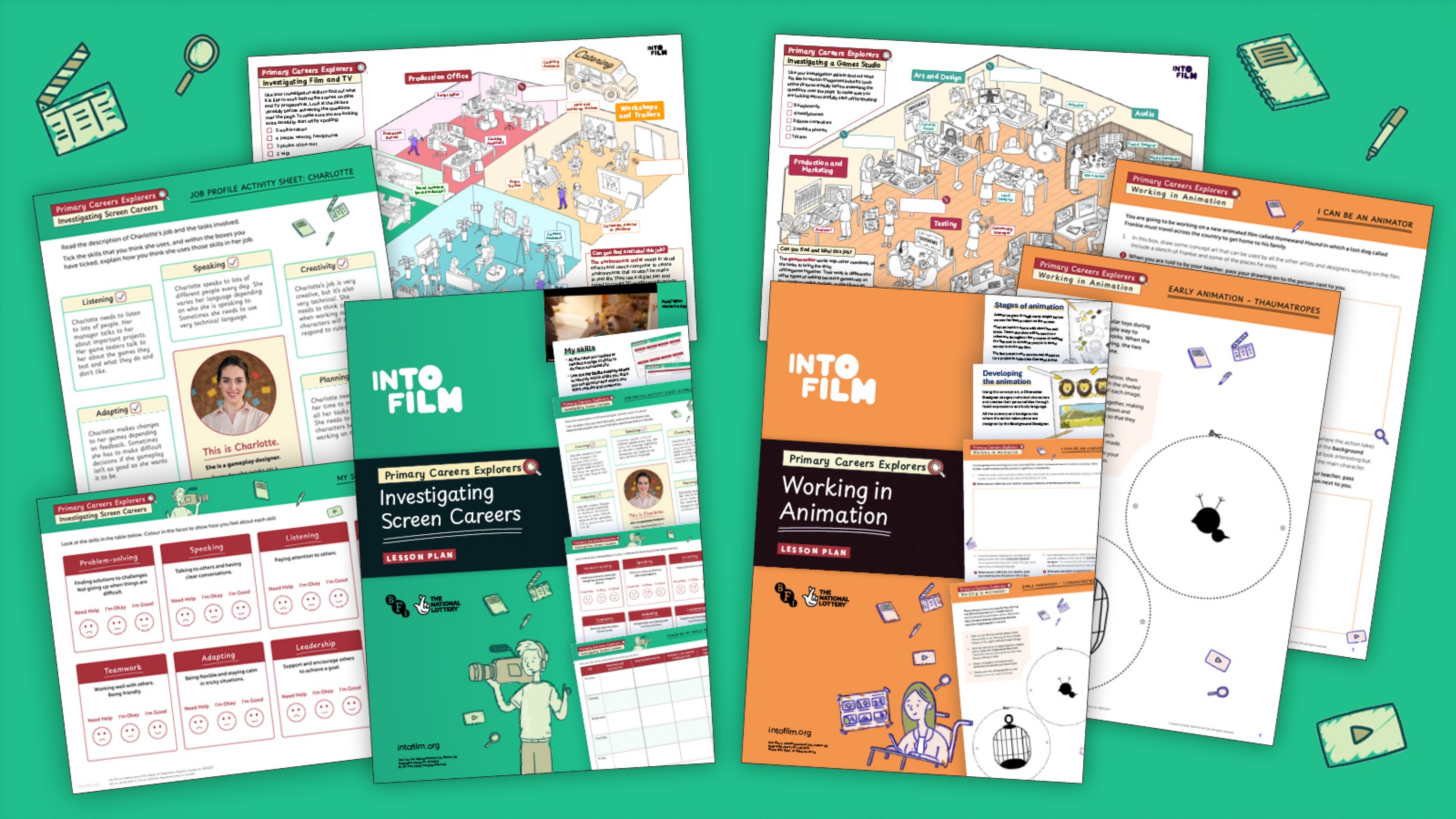
Broaden horizons and explore the world of work by introducing your young learners to roles in the screen industries. Using our Primary Careers Explorers series, pupils will begin to understand that stories on screen are made by many different people with lots of different skills.
In lesson one, learners will focus on the world of work looking at familiar and less familiar job roles and discovering that all sorts of roles can be found within the UK screen industries. Using career profiles, learners will investigate some of the less well-known roles, finding out what these jobs involve and developing an understanding of what it might be like to work in the screen industries. Learners will use the Skills Builder framework to think about what skills might be used in the different jobs they are introduced to. As the lesson comes to an end, learners will reflect upon their own skills and identify ways they can further develop them.
In lesson two, learners will focus on different job roles in the animation sector. Learners will investigate different kinds of animation styles and, through taking on a range of creative production roles, begin to understand some of the stages involved in animation production. The lesson helps learners think about the different skills people might use when working in animation and reflect on the roles they enjoyed the most.
For standalone careers exploration or to complement the lessons, use our double-sided activity sheets where learners can investigate a film and TV set and a games studio discovering some of the key roles and key skills used in these sectors. Young people can work individually, in pairs or small groups to complete these observation and investigation activities.
Supporting primary careers learning across the UK
Primary Careers Explorers helps learners broaden their horizons, explore unfamiliar jobs and recognise how skills they use in school connect with the world of work. The resources can support the following national approaches as part of your wider curriculum and careers provision:

A step-by-step plan to deliver this lesson.
Size: 3.01 MB
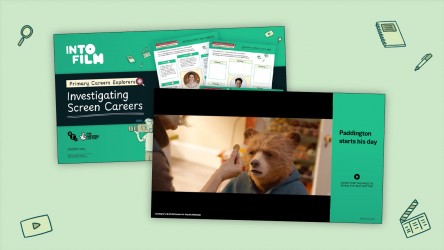
A student facing PowerPoint for the delivery of this lesson
Size: 75.33 MB
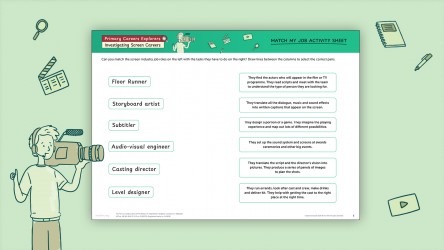
An activity sheet to accompany the Investigating Screen Careers lesson.
Size: 392 KB
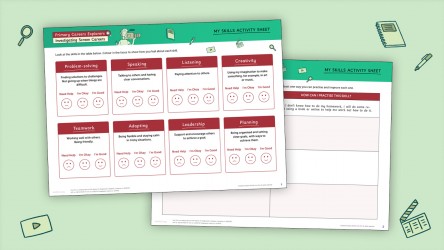
An activity sheet to accompany the Investigating Screen Careers lesson.
Size: 520 KB
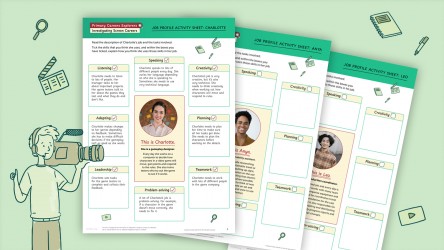
Activity sheets to accompany the Investigating Screen Careers lesson.
Size: 1.64 MB
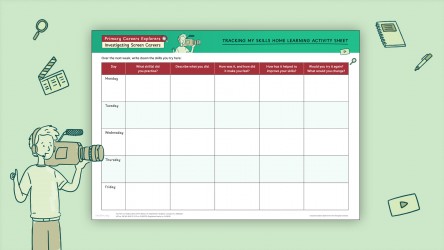
A home learning sheet to accompany the Investigating Screen Careers lesson.
Size: 276 KB
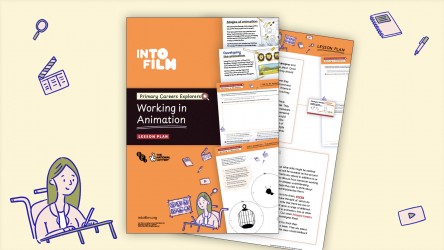
A step-by-step plan for the delivery of this lesson.
Size: 3.79 MB
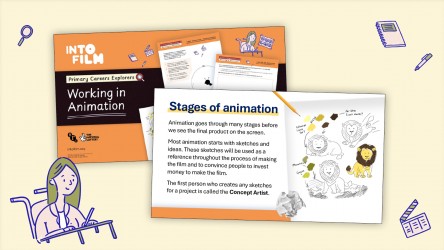
A student facing PowerPoint presentation for the delivery of this lesson.
Size: 19.12 MB
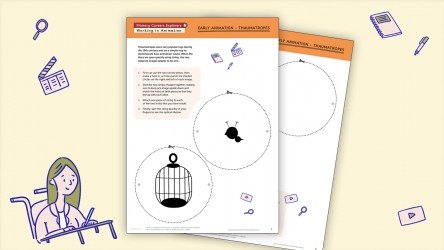
An optional activity sheet to help learners understand animation.
Size: 524 KB
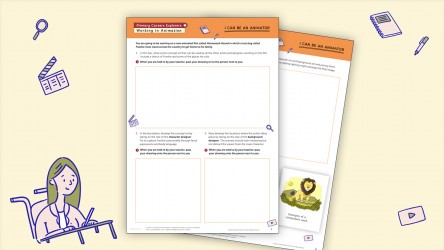
An activity sheet to use with the Working in Animation lesson.
Size: 1.01 MB
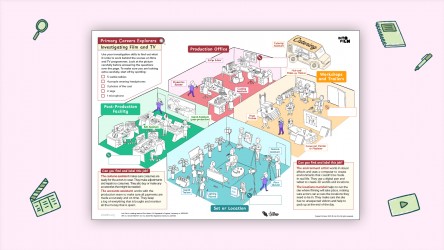
A standalone activity sheet to investigate who works where in film and TV.
Size: 1.88 MB
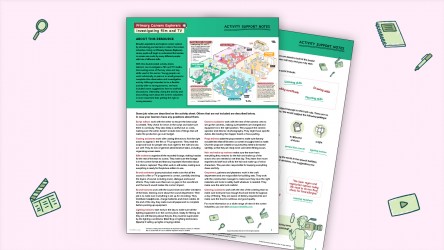
Answers to the activities on the Investigating Film and TV sheet.
Size: 1.21 MB
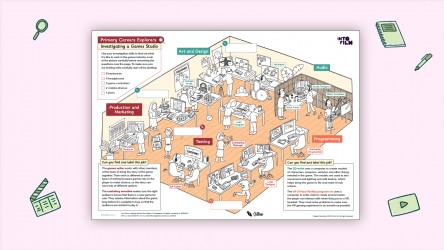
A standalone activity sheet to investigate who works in a games studio.
Size: 3.03 MB
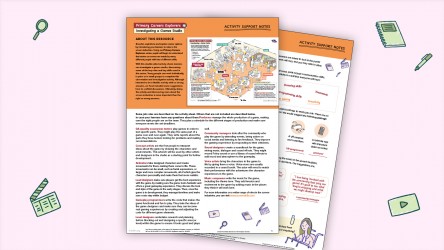
Answers to the activities on the Investigating a Games Studio sheet.
Size: 1.46 MB
We have developed a large catalogue of educational resources since launching in 2013, and some references and terminology will inevitably have dated as society and language evolves. We are aware of this and will be updating resources when our production schedule allows.